
Ageless Design
Manufacturers finally create stylish products for baby boomers to age gracefully at home
Here’s a checklist from a book on Residential Design for Aging in Place, some links for additional information, and some photo examples.
The need for accessibility and universal design may come from an injury, a visiting relative, or just the tolls of aging. So if you’re building a new home or remodeling an older one, consider this checklist by Michael Thomas, author of Residential Design for Aging in Place:
- Wider doorways (36″)
- Wider hallways
- Level door thresholds and curbless showers
- Residential elevators or stair lifts
- Main floor bathroom
- Non-skid floors
- Enhanced lighting
- Good acoustics
- Multiple counter heights
- Lever-style door and faucet handles
- Higher toilets
- Balance bars
- Adjustable storage
- Low-maintenance finishes
- Higher seat heights
Online Resources:
- Michael Thomas: www.TheDesignCollectiveGroup.com
- Kohler: www.us.kohler.com/bold-independence/product-solutions
- Decorative grab bars: www.GreatGrabz.com
- Linear drains: www.QuickDrainUSA.com, www.QuartzByACO.com
- Faucets and plumbing fixtures: www.FluidFaucets.com, www.caroma.com
- National Home Demonstration Project: www.udll.com
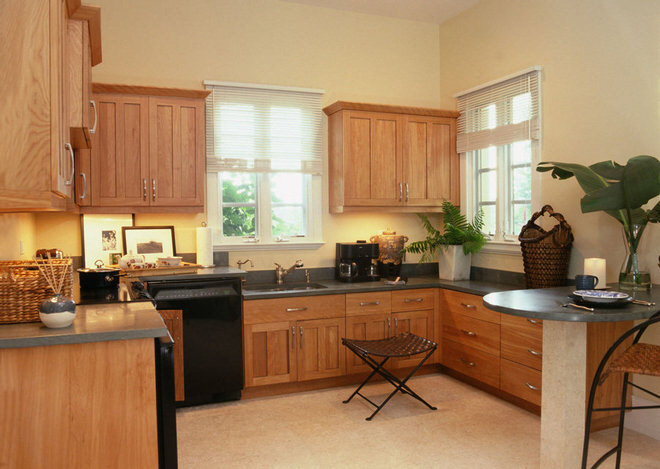

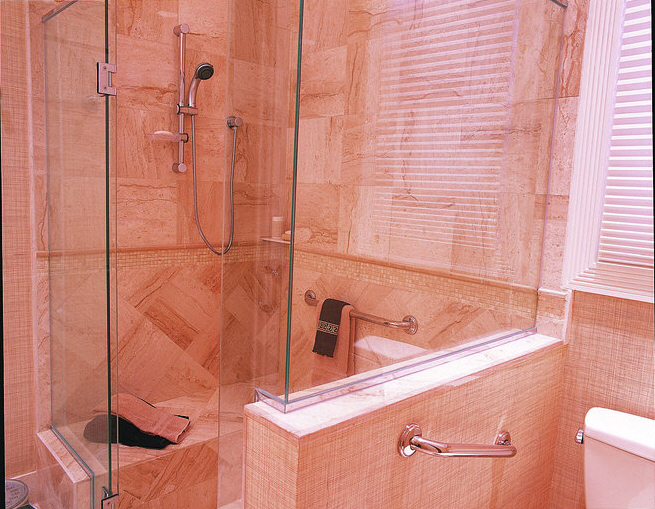
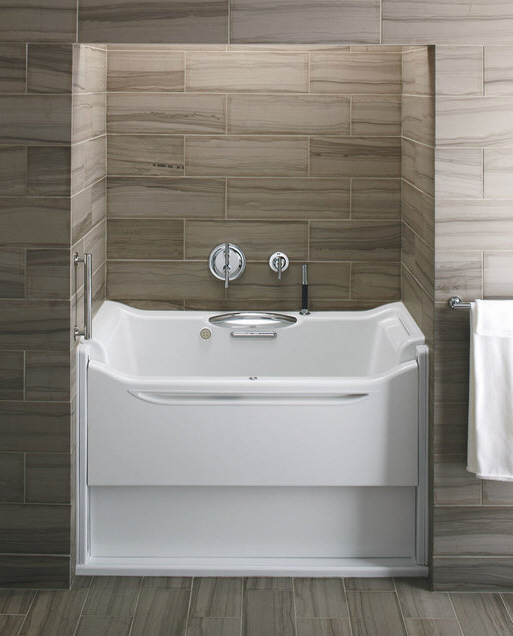

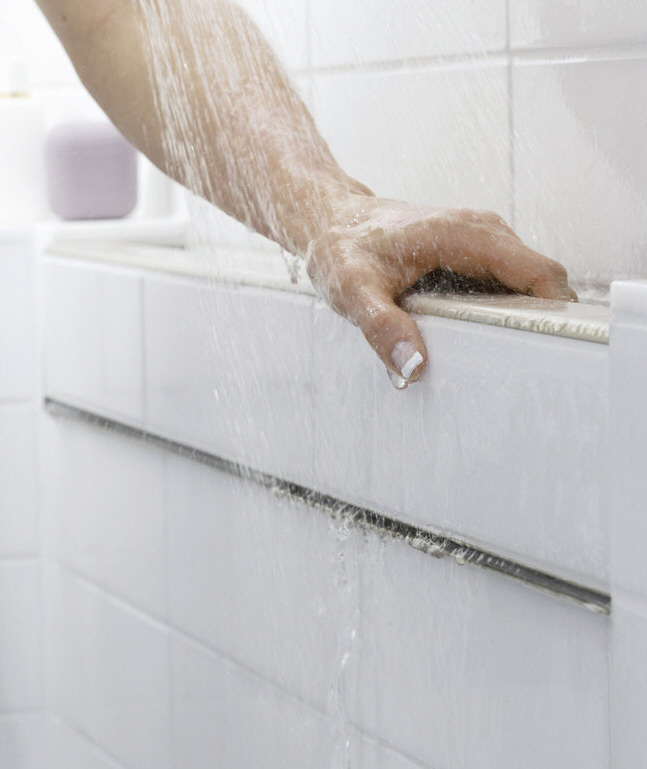
Very nice. Let’s rid the the word “institutional” from the design lexicon. Designers are finally having an impact on those manufacturers who are now designing those stylish products. And to keep them coming, designers need to keep utilizing those products even in projects that don’t need them at this moment. It is all about the future, and at some point we all will need some assistance to stay in our homes.